Top Real Money Online Casinos for 2025 Safe Payouts and Big Bonuses

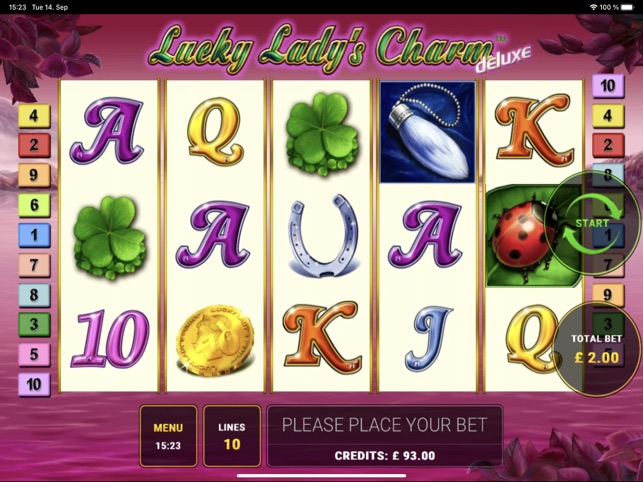
Real-money online casinos bring the thrill of Las Vegas straight to your screen, offering everything from slots to live dealer tables with just a few clicks. Whether you’re a seasoned player or a curious newcomer, these platforms combine convenience with the genuine chance to win—all from the comfort of home. Play smart, set your limits, and enjoy the ride responsibly.
Understanding the Landscape of Wagering for Actual Currency
When you step into the world of real-money betting, it’s less about pure luck and more about understanding the terrain. You’ve got sportsbooks, casino floors, and poker tables, each with its own rhythms and house edges. The key is knowing where your money actually goes—and what you’re getting back. Responsible bankroll management isn’t just a buzzword; it’s the difference between a fun night and a financial headache. Also, always check the licensing and payout speeds before you deposit. Many platforms lure you with flashy bonuses, but the fine print can trip you up. Start small, set limits, and treat it like entertainment, not income. That mindset shift keeps the experience enjoyable and keeps you in control. Secure payment options and verified reviews are your best allies here. Remember, the house always has an edge—so play smart, not desperate.
Q: Is it safe to wager with real money online?
A: Yes, if you stick to licensed, regulated sites with SSL encryption and positive user reviews. Avoid unlicensed offshore platforms.
Key Differences Between Play-Money Platforms and Cash-Based Gambling Sites
The realm of real-money wagering has evolved into a sophisticated digital ecosystem, demanding a strategic approach rather than reckless chance. Success hinges on mastering bankroll management, comprehending odds, and selecting licensed platforms that prioritize player security. The landscape is defined by regulatory diversity, with jurisdictions like the UK and Malta setting high standards, while emerging markets introduce variable rules. Strategic wagering requires a disciplined mindset and a data-driven evaluation of risk versus reward. To thrive, you must prioritize platforms with provably fair algorithms, transparent payout structures, and robust customer support. Remember that volatility is inherent; your edge comes from informed decisions, not impulse. Never chase losses, and always set strict deposit limits. The difference between a casual bettor and a serious participant is the latter’s commitment to continuous education and emotional control.
Profitability in this arena is not a matter of luck—it is a calculated exercise in probability and self-governance.
- Verify regulatory licensing before depositing
- Compare house edge across game variants
- Utilize responsible gaming tools for session limits
Why Players Gravitate Toward High-Stakes Digital Gaming Environments
Navigating real-money wagering demands a clear grasp of regulated platforms, payment security, and responsible bankroll management. The most reliable operators hold licenses from jurisdictions like the UKGC or MGA, ensuring fair play and encrypted transactions. Before committing funds, compare payout speeds, withdrawal limits, and game volatility—high-variance slots suit risk-takers, while low-edge table games reward strategic patience. Choosing a licensed, audited platform is non-negotiable for long-term safety. Set strict deposit caps and never chase losses; tracking your session history prevents emotional spiral. Mobile apps now offer biometric logins and instant cash-outs, but always verify bonus terms—wagering requirements often hide steep costs. Your edge comes from discipline, not luck. Whether you prefer sportsbook odds or live dealer blackjack, treat every stake as a controlled investment, not a gamble. Start small, scale only after consistent wins, and exit when your target profit hits.
Legal Frameworks Governing Paid Internet Gambling in Various Jurisdictions
The realm of real-money wagering has evolved into a sophisticated digital ecosystem, demanding a strategic approach rather than blind chance. To succeed, you must first grasp the core mechanics—odds, house edge, and bankroll management—which serve as the bedrock of any sustainable gaming session. Modern platforms offer unprecedented convenience, but with that comes the critical need to verify licensing and security protocols before depositing a single cent. **Navigating this landscape requires disciplined risk assessment** and a clear understanding of game volatility, whether you prefer the rapid pace of slots or the calculated depth of poker. Always set strict loss limits and prioritize platforms with provably fair algorithms, ensuring your experience remains both thrilling and financially responsible.
Selecting a Trustworthy Platform for Financial Gaming
Choosing where to wager real money demands more than a flashy interface; it requires rigorous vetting of licensing, encryption standards, and payout histories. A truly dependable operator flaunts transparent terms, verifiable random number generators, and responsive customer support around the clock. Before depositing a cent, scrutinize independent audit reports and player reviews that expose hidden withdrawal fees or delayed settlements. Secure financial gaming ecosystems prioritize bank-grade SSL protection and segregated player funds, ensuring your capital isn’t commingled with operational budgets. Equally vital is confirming jurisdictional oversight—licenses from Malta, the UK, or Gibraltar signal strict anti-fraud compliance. Watch for red flags like aggressive bonus cloaking, vague ownership details, or unrealistic win caps. Ultimately, trustworthy platform selection hinges on due diligence, not hype. Test their live chat with a tricky question, review their cashier’s banking options, and always verify the provably fair status of each game. A reliable site earns your loyalty through consistent, transparent behavior—never through pressure tactics.
Critical Licensing Bodies and What Their Approvals Signify
Choosing a trustworthy platform for financial gaming requires verifying its licensing, security protocols, and payout transparency before depositing funds. Regulated operators display credentials from authorities like the UKGC or MGA, while SSL encryption protects personal and transactional data. Independent audits, such as eCOGRA certification, confirm fair play and random number generator integrity. Review withdrawal processing times, fee structures, and customer support responsiveness to avoid hidden charges or delayed payouts. Cross-check player reviews on third-party forums for patterns of unresolved complaints. Verified regulatory compliance is the cornerstone of safe financial gaming.
If a platform lacks clear ownership details or a physical address, treat it as a high-risk warning.
- Confirm the license number with the issuing authority’s official registry.
- Look for segregated player funds to ensure your balance is protected.
- Test the support team with a pre-deposit question about payout limits.
Evaluating Security Protocols for Deposits and Personal Data
Selecting a trustworthy platform for financial gaming requires verifying regulatory oversight and independent audit trails. A reliable operator holds a valid license from a recognized jurisdiction, such as the UK Gambling Commission or Malta Gaming Authority, which enforces fair play and fund segregation. Secure financial gaming platforms also publish transparent terms for deposits, withdrawals, and bonus wagering, while employing SSL encryption to protect transaction data. Before committing, check user reviews on third-party forums and confirm that random number generators are certified by entities like eCOGRA. Additionally, evaluate customer support responsiveness and the clarity of responsible gambling tools, including self-exclusion and deposit limits. Avoid platforms with vague ownership details or delayed payout histories, as these are red flags. A prudent approach involves testing with minimal stakes first, ensuring the interface aligns with your risk tolerance and technical comfort.

Reading Third-Party Audits and Fair-Play Certifications
Choosing the right site for real-money gaming demands rigorous scrutiny, as your funds and personal data are at stake. A best online casinos in Canada **trustworthy financial gaming platform** must hold a valid license from a recognized regulatory authority like the UKGC or MGA, and display it transparently. Verify independent audits, such as eCOGRA certification, which guarantee fair play and payout accuracy. Furthermore, examine user feedback on forums and review sites—look for consistent mentions of prompt withdrawals and responsive customer support. Always confirm robust encryption (SSL/TLS) and transparent terms regarding bonuses and wagering requirements. Never trade security for flashy promotions; a reputable platform prioritizes player protection over aggressive marketing. Ultimately, a quick background check on licensing and open customer reviews is your first and strongest line of defense against fraud.
Red Flags: Warning Signs of Unreliable Betting Operators
When picking a spot for financial gaming, you’ve got to look past flashy bonuses and dig into the real safeguards. The most important move is checking for a valid license from a recognized regulator—think UK Gambling Commission or Malta Gaming Authority—which means the platform follows strict rules on fairness and fund segregation. Also, scan for independent audits, like eCOGRA seals, and read user reviews on Reddit or Trustpilot to spot red flags like slow payouts or hidden terms. Secure payment methods for financial gaming should include verified e-wallets or bank transfers with SSL encryption. Finally, test their customer support with a tricky question before depositing—if they dodge or ghost you, walk away.
Maximizing Your First Deposit: Bonuses and Promotional Tactics
To truly maximize your first deposit, treat the welcome offer as the foundation of your bankroll strategy, not just a marketing gimmick. The key is to focus on the *bonus terms*—specifically wagering requirements and game contribution percentages. A 100% match up to a generous cap is attractive, but a lower 25x playthrough on slots often beats a 35x requirement on mixed games. Before depositing, verify if the promo requires a bonus code and check the expiration window. For long-term value, look for reload incentives and cashback offers that activate after your initial boost is cleared. By aligning your deposit amount with the bonus ceiling and selecting games with the highest contribution efficiency, you convert promotional currency into sustainable profits. This tactical approach ensures your first deposit works exponentially harder for you.
Decoding Welcome Offers Without Falling for Hidden Terms
Your first deposit is your golden ticket to amplified play, so smart players never fund an account without first unlocking the available rewards. The key is to target **high-value deposit bonuses** that match your bankroll, whether that means a 100% match or free spins attached to your initial cash-in. Before committing, scrutinize the wagering requirements and game eligibility, then stack your strategy by combining a reload bonus with a loyalty program’s first-tier perks. To maximize every dollar, consider these tactics: timing your deposit around weekly promotions, using a promo code found in the newsletter, and calling customer support to ask for a personalized offer. A dynamic approach—comparing multiple platforms and reading the fine print—transforms a simple payment into a substantial bankroll boost.
Wagering Requirements Explained in Plain Language
To maximize your first deposit, treat it as a strategic springboard rather than a simple transaction. Start by targeting **online casino welcome offers** that match your deposit amount with a high percentage, but always read the wagering requirements—ideally below 35x—to ensure the bonus is actually winnable. Prioritize platforms that bundle free spins with your first deposit, as these add extra play value without additional risk. Split your initial funds into small, calculated stakes to extend session time and trigger reload bonuses or cashback rewards early. Use a checklist: compare rollover caps, check game contribution percentages (slots usually count 100%, table games less), and set a strict loss limit before claiming. *Always verify if the bonus is sticky or redeemable before you play.* Finally, join the casino’s loyalty program immediately, as first-deposit activity often accelerates tier upgrades.
Loyalty Programs and Cashback Deals Beyond the Initial Incentive
Maximizing your first deposit requires a strategic approach to bonus structures rather than blind acceptance of the highest headline number. Focus on the **wagering requirements and game contribution percentages**, as these dictate the real value of any promotional offer. A 100% match bonus with a 35x playthrough on slots only is vastly different from a 50% match with a 10x requirement across multiple game categories. Prioritize offers that include free spins on high-RTP titles, but verify whether winnings from those spins carry separate rollover conditions. Additionally, check for deposit method exclusions—some e-wallets do not qualify for the match—and always confirm the bonus validity window to avoid forfeiting unused funds.
- Compare effective value: (Bonus amount) ÷ (wagering requirement × house edge).
- Read terms for max bet limits during bonus play (often €5 per spin).
- Use a bonus code if required; otherwise, the offer is void.

Q: Should I claim a bonus with a lower percentage but lower wagering?
A: Yes, if the total expected loss from playthrough is smaller, the net profit potential is higher.
How to Spot Value in Free Spins and No-Deposit Perks
Boosting your first deposit isn’t just about grabbing the biggest number—it’s about playing smart with the fine print. Most welcome offers come with wagering requirements, so always check how many times you need to roll over the bonus before cashing out. A 100% match might look sweet, but a 50% match with lower turnover can actually put more real money in your pocket. To maximize value, prioritize deposit multipliers, free spins, or cashback rebates that align with your usual betting style.
- Compare bonus percentages AND maximum cap amounts.
- Hunt for no-wager free spins or low-rollover credits.
- Use promo codes before depositing—don’t skip that step.
“The real win isn’t the bonus size—it’s how quickly you can turn it into withdrawable cash.”
Also, set a budget and stick to it, because chasing reload bonuses after a loss can eat your bankroll. Timing matters too—weekend promotions or seasonal events often add extra layers like boosted odds or loyalty points. Remember to read the eligible games list; slots usually count 100%, but table games might only contribute 10%. Smart first deposit strategies turn a simple top-up into a springboard for longer play and higher winning odds.
Banking Methods Tailored for Real-Money Play
For serious players, selecting the right banking method is as critical as a winning strategy. The most secure approach prioritizes **e-wallets like Skrill or Neteller**, which offer an additional privacy layer between your bank account and the gaming site, ensuring faster withdrawals and reduced friction. Alternatively, **prepaid cards and cryptocurrencies** provide superior budget control and anonymous transactions, ideal for those who prefer not to link their primary financial lines. Always verify the casino’s processing fees and payout times—credit cards often incur delays, while e-wallets settle within hours. Expert tip: never use a shared or borrowed card, and always confirm the platform supports two-factor authentication for withdrawals. Choose methods that align with your risk tolerance, and you’ll safeguard both your bankroll and your personal data.
Credit Cards, E-Wallets, and Cryptocurrencies: Pros and Cons
When you’re ready to play for real money, the right banking method can make or break your experience. The best options prioritize **fast withdrawal processing**, so you aren’t left waiting days for your winnings. E-wallets like Skrill and Neteller are crowd favorites because they settle instantly, while credit cards remain a solid backup for deposits even if cashouts take a bit longer. For extra privacy, prepaid cards and paysafecard let you fund your account without linking a bank, though they rarely support payouts. Cryptocurrency is the new wild card—offering near-zero fees and lightning speed, but requiring a bit of tech know-how. Always check the minimums, any transaction fees, and whether your chosen method supports both ends of the loop. A quick rule: pick one method for deposits and a separate one for withdrawals to keep your main bank account shielded from gaming sites.
Processing Speeds for Payouts and Deposits Across Channels
Banking methods for real-money play must balance speed, security, and accessibility to meet diverse player expectations. Credit and debit cards remain the most widely accepted option, offering instant deposits and familiar chargeback protections, though withdrawal times can stretch to several business days. E-wallets like Skrill, Neteller, and PayPal provide faster cash-outs and an extra layer of privacy by shielding banking details from the gaming site, making them a preferred choice for frequent players. Secure transaction processing for online gambling relies on PCI-DSS compliant gateways and encryption protocols, which safeguard sensitive data during transfers. Prepaid cards and vouchers (e.g., Paysafecard) allow strict budget control and anonymous funding without linking to a bank account, but they rarely support withdrawals. Bank transfers offer high limits and direct traceability, yet incur longer processing delays and potential fees. Cryptocurrencies such as Bitcoin enable near-instant, low-cost settlements with full transparency on blockchain, appealing to tech-savvy users. Ultimately, the optimal method depends on deposit speed, withdrawal flexibility, regional availability, and the operator’s fee structure.
Fiat vs. Digital Currency Transactions in Online Gambling
For serious players, banking methods tailored for real-money play are the backbone of a seamless experience, demanding both speed and ironclad security. The best options prioritize instant deposits and rapid withdrawals, eliminating frustrating delays that kill momentum. E-wallets like Skrill and Neteller lead the pack, offering near-immediate payouts, while credit cards provide universal convenience, though clearing times can stretch to a few days. Cryptocurrencies—especially Bitcoin and Ethereum—are the modern powerhouse, delivering anonymous, low-fee transactions that settle in under an hour. Secure real-money payment processing hinges on choosing regulated channels with SSL encryption and two-factor authentication. For high rollers, wire transfers remain reliable for massive sums, but for everyday play, nothing beats the agility of e-wallets or the privacy of crypto. Ultimately, your choice defines your edge—prioritize speed, zero hidden fees, and proven dispute resolution to keep your bankroll safe.
Understanding Transaction Fees and Currency Conversion Costs
For real-money play, the choice of banking method is as critical as game strategy. Prioritize options that balance speed, security, and low friction, with e-wallets like Skrill and Neteller remaining the gold standard for instant deposits and rapid withdrawals. However, the modern landscape favors hybrid approaches: using cryptocurrencies for anonymity and near-zero fees, while keeping a traditional credit card or bank transfer as a fallback for verified payouts. Always verify the operator’s processing times—e-wallets typically clear in under 24 hours, whereas bank transfers can take 3–5 business days. Low-friction withdrawal processing is your ultimate benchmark for a trustworthy platform. For high rollers, dedicated account managers and wire transfer limits become essential, while casual players should lean on prepaid cards to enforce strict bankroll discipline. Avoid methods with hidden currency conversion fees, and always confirm the casino’s KYC protocols before depositing to prevent payout delays.
Game Selection Strategies for Serious Bettors
For serious bettors, game selection is the single most critical filter between profit and ruin, transcending mere handicapping. The core principle is to identify mispriced odds created by market inefficiencies, not simply to pick winners. This demands focusing on less-liquid leagues, where public money distorts lines, and targeting markets with low hold percentages, such as Asian Handicaps or player props. Before wagering, rigorously evaluate your true edge against the implied probability, factoring in the vig. Avoid narrative-driven games, rivalry clashes, and prime-time slots where sharp money is diluted by casual action. Instead, exploit structural weaknesses: early lines before they sharpen, totals in overvalued defensive systems, or fading the public on heavily-hyped favorites. Finally, bankroll volatility is your enemy—select only games where your model’s edge exceeds 5%, and never force action. Discipline in selection, not frequency, defines the professional. Your edge is the product of patience, data, and respecting the numbers over entertainment value.
Slot Volatility and RTP Percentages: What They Mean for Your Bankroll
Effective game selection is the cornerstone of long-term profitability, far outweighing mere betting odds knowledge. Serious bettors treat every wager as an investment, scrutinizing market inefficiencies rather than chasing every available line. Focus on leagues and sports where you have a distinct informational edge, such as niche competitions with less public attention. Prioritize value over certainty—a 55% win probability at +120 odds is superior to a 90% lock at -800. Additionally, avoid emotional ties to favorite teams and steer clear of crowded primetime markets, where sharp money inflates lines. Bankroll management aligns directly with game selection, as disciplined staking on only the highest-conviction plays preserves capital for inevitable variance. Finally, track your historical results per league to identify profitable niches and eliminate losing ones.
Table Games with the Best Odds for Cash Stakes
Serious bettors know that picking the right game is half the battle. Instead of chasing every match, focus on your edge—spotting odds that don’t match the true probability. Hunt for value in less popular leagues, where bookmakers put in less effort and mispricing happens more often. Stick to sports you actually follow, because deep knowledge beats generic stats every time. Also, avoid betting on your favorite team—emotion clouds judgment, and that’s a bankroll killer. Here’s a quick checklist: compare lines across multiple books, target low-liquidity markets, and skip games with heavy public action. **Winning consistently requires disciplined game selection, not just luck.** If a match feels too obvious, it probably is—look for hidden angles like weather, travel fatigue, or motivation gaps. Keep your volume low and your conviction high.
Live Dealer Sessions: Bridging Physical and Virtual Casino Thrills
Serious bettors treat game selection as the cornerstone of long-term profitability, not as an afterthought. You must identify value by comparing your own probability estimates against the implied odds set by the market, focusing only on markets where you have a genuine edge. Prioritize lower-profile leagues and niche sports where bookmaker margins are thinner and sharp pricing is less efficient. Specializing in a single league or team system drastically improves your data familiarity and pattern recognition. Avoid betting on your favorite team or on games where the line has moved significantly due to public money, as these often carry hidden trap value.
- Target markets with over 100% payout rates (low vig).
- Filter out games with key player injuries, weather uncertainty, or travel fatigue.
- Track your historical ROI per league, venue, and time slot to drop negative edges.
Q&A: What’s the single most common mistake? – Betting on too many games daily, which dilutes research quality and increases variance. How many games should a pro bet? – 5–15 well-researched games per week, not per day.
Progressive Jackpots: Chasing Pools vs. Steady Returns
Serious bettors treat game selection as their sharpest weapon, filtering the daily card for inefficiencies rather than wagering on volume. The core discipline involves targeting markets where your edge is largest—often lower-tier leagues, niche sports, or prop lines where public money distorts pricing. Value betting fundamentals demand that you compare your own probability estimates against the implied odds, only acting when a positive expected value (+EV) exists. You should also factor in situational dynamics: travel fatigue, motivation gaps, weather impacts, and lineup rotations can shift true odds dramatically. Instead of scattering bets, build a shortlist of 2–3 games where the model confidence is high and the bookmaker lag is measurable.
- Focus on one or two leagues to track team patterns deeply.
- Skip marquee games—sharp odds and high juice kill value.
- Use closing line value (CLV) as your scorecard.
This selective approach turns betting from a gamble into a calculated grind, where patience beats frequency every time.
Bankroll Management When Real Money Is on the Line

Bankroll management is the unbreachable firewall between recreational gambling and professional sustainability, and when real money is on the line, it transforms from a suggestion into a non-negotiable survival skill. The core principle is brutal yet liberating: you must allocate only a fixed, disposable percentage—typically 1% to 3% of your total bankroll—per single wager, ensuring that a losing streak erodes your capital without ever threatening your livelihood or your ability to continue playing. This disciplined staking plan prevents emotional tilt, which is the primary killer of accounts, by forcing you to treat each bet as an independent event rather than a chase for losses. Moreover, a strict weekly profit cap and a hard stop-loss threshold protect your psychological edge, allowing you to walk away with gains intact and cut damage before desperation sets in. Without this rigorous structure, variance will inevitably crush even the most skilled bettor, turning a short-term setback into a permanent exit. In contrast, masters of bankroll management view their funds as a business asset, not a casino chip, and that mindset alone separates the long-term winners from the broke dreamers. Every decision must be coldly mathematical, never emotional, because real-money betting rewards patience, not passion.
Setting Loss Limits and Sticking to a Predefined Budget
When real money is on the line, bankroll management isn’t just a tip—it’s your survival kit. The core idea is simple: never risk more than you can afford to lose, and treat your funds as separate from living expenses. A solid rule is to stake only 1–5% of your total bankroll per bet or session, depending on your edge and risk tolerance. This protects you from tilt-induced disasters and keeps you in the game during losing streaks. Track every win and loss, set a stop-loss limit for the day, and walk away when you hit it—no exceptions. Your goal isn’t to get rich overnight; it’s to stay disciplined enough to capitalize on long-term variance. Effective bankroll management preserves your capital and your sanity under pressure. If you’re chasing losses or betting emotionally, you’ve already lost control. Keep your stakes flat or scale them slowly, and remember: the house edge only bites when you overbet.
Staking Techniques for Different Game Types
When real money is on the line, bankroll management isn’t optional—it’s the line between survival and ruin. You must treat your stake as a business asset, not disposable income, and cap each wager at 1–2% of your total bankroll. This disciplined approach absorbs inevitable losing streaks while keeping you positioned for profitability. Without a fixed staking plan, emotions take over, leading to reckless chases and account liquidation. The core rule: protect capital first, grow it second. Never risk more than you can afford to lose, and always set hard stop-loss limits before you start. Consistency beats aggression—the gambler who grinds with a 2% unit size outlasts the one who bets 20% on a hunch. Track every bet, review your win rate, and adjust only when data supports it. Your bankroll is your lifeline; guard it with mathematical rigor, not gut feeling.
The Psychology of Winnings and Losses in High-Stakes Play
When real money is on the line, bankroll management is your only true edge against variance. Disciplined staking protects your capital from emotional tilt, turning a gambling session into a calculated risk exercise. Set a fixed, disposable budget—never rent or bill money—and split it into units (e.g., 1%–2% per wager). Track every bet, avoid chasing losses with bigger stakes, and cap your daily loss at 10% of your roll. Smart players also lock in a “stop-win” threshold to bank profits before the house claws them back. This isn’t about avoiding risk; it’s about surviving streaks. Without rules, luck decides your fate. With them, you decide how long you play and how much you keep.
Tools for Self-Exclusion and Responsible Gambling Measures
Bankroll management when real money is on the line is the single most critical skill separating disciplined winners from emotional gamblers. Treat your funds as a business asset, not disposable income, and allocate only a fixed percentage—typically 1–5%—per wager or trade. This protects you from catastrophic drawdowns and keeps you in the game during inevitable losing streaks. Bankroll management is the cornerstone of long-term profitability, as it forces rational sizing over gut instinct. A solid framework includes:
- Set a hard stop-loss threshold (e.g., 20% loss) to reset and reassess strategy.
- Never chase losses by increasing stake sizes; instead, reduce risk after a downturn.
- Track every bet in a ledger to spot leaks and adjust your edge.
Without rigid caps, variance will bankrupt you even with a winning edge. Commit to these rules upfront—your bankroll is your lifeline, and discipline here is non-negotiable for survival.
Mobile and Desktop Experiences for Paid Gaming
Paid gaming experiences diverge sharply between mobile and desktop, and choosing the wrong platform can undermine your investment. On desktop, you get precision input, expansive displays, and raw GPU power, which are non-negotiable for competitive shooters, strategy titles, and immersive RPGs. Mobile, however, excels at pick-up-and-play sessions, offering touch-first controls and portability that suit puzzle games, card battlers, and narrative adventures. The key is matching the title’s mechanical depth to the input method—a complex sim will feel cramped on a phone, while a quick daily reward loop feels tedious on a PC.
Never pay full price for a mobile game unless it supports cloud saves and offline play; otherwise, you’re renting a session, not owning an experience.
For hybrid titles, prioritize cross-progression so your time transfers. Ultimately, desktop rewards commitment, mobile rewards convenience—budget your money and attention accordingly.
Native Apps vs. Browser-Based Platforms for Instant Action
Paid gaming now thrives across both mobile and desktop, yet each platform delivers a distinct flavor of immersion. On desktop, the raw power of dedicated GPUs and precise mouse-and-keyboard controls elevates complex titles like strategy epics or cinematic RPGs, offering unparalleled graphical fidelity and modding potential. Mobile, however, wins on sheer accessibility and tactile intimacy, letting you dive into premium adventures like *Dead Cells* or *Genshin Impact* anywhere, with touch controls optimized for quick, satisfying sessions. The real differentiator is **cross-platform progression**, which allows players to switch seamlessly between a lunchtime grind on their phone and a deep, couch-based campaign on their PC. While desktop remains the haven for competitive precision and expansive worlds, mobile excels at bite-sized excellence and convenience, making paid games more versatile than ever before—your library finally follows you everywhere.
Optimizing Your Device for Smooth, Uninterrupted Betting Sessions
Paid gaming now demands a seamless ecosystem across devices, where both mobile and desktop offer distinct, non-negotiable advantages. Desktop remains the undisputed champion for **competitive and immersive AAA gaming**, delivering superior graphical fidelity, precise mouse-and-keyboard controls, and higher refresh rates that matter in fast-paced genres. Conversely, mobile excels in accessibility and convenience, allowing players to dive into premium titles during commutes or breaks, with touch-optimized interfaces and cloud-sync features ensuring progress is never lost. The smartest publishers no longer force a choice; they design cross-progression and context-aware UIs, ensuring a session on your PC feels as rewarding as a quick mobile raid. To maximize value, prioritize games that offer shared libraries and adaptive performance, because a true premium experience is one that never locks you out of your own investment—regardless of the screen in front of you.
Cross-Platform Synchronization of Accounts and Balances
Paid gaming now demands flawless performance across every screen, and the best titles deliver it without compromise. On mobile, touch controls and cloud saves have evolved past gimmicks, offering console-grade depth in your pocket, but the true battleground is desktop, where high-refresh monitors and precise peripherals unlock competitive mastery. **Premium gaming experiences** are no longer platform-exclusive; they adapt intelligently, syncing progress seamlessly and scaling graphics to match hardware. Whether you prefer the portability of a phone for daily quests or the immersive power of a PC for raids, your investment follows you, ensuring no pixel of your purchase is wasted.

- Mobile: Optimized for short sessions, battery efficiency, and intuitive touch UIs.
- Desktop: Prioritizes raw FPS, ultrawide support, and mod-friendly ecosystems.
Q: Is it worth buying the same game twice?
A: No—smart cross-buy options and unified accounts mean one purchase often unlocks both versions, saving money and sanity.
Customer Support and Dispute Resolution in Cash Wagering
Customer support in cash wagering serves as the primary interface between operators and bettors, addressing account inquiries, payment processing issues, and technical malfunctions. Effective support teams typically operate 24/7 through live chat, email, and phone channels, with response times varying by platform. Dispute resolution procedures follow a structured hierarchy, beginning with internal reviews of betting records, transaction logs, and timestamped data. If unresolved, cases escalate to independent mediators or regulatory bodies, such as gambling commissions, which enforce standardized rules regarding voided bets, payout accuracy, and fraudulent activity. Operators are expected to maintain transparent audit trails and clearly communicate resolution timelines, often within 14 business days. Critical factors include fair settlement practices for technical errors, stake refunds for interrupted live events, and protection against chargeback abuse. Neutral documentation of all communications and evidence, including screenshots and server logs, underpins the fairness of outcomes, ensuring that both consumer rights and operator integrity are upheld consistently.
Live Chat, Email, and Phone: Which Channels Offer Fastest Help?
In cash wagering, friction-free customer support is the bedrock of trust, ensuring players feel protected the moment a payout question arises. A robust dispute resolution framework combines rapid-response live chat for routine queries with a formal escalation ladder—email trails, dedicated mediators, and, ultimately, licensed adjudication—to handle complex chargebacks or suspected platform errors. Transparent accountability mechanisms turn frustration into loyalty. Key pillars include: documented ticket timelines, 24/7 multilingual assistance, and a fair-play audit trail for every transaction.
When cash is on the line, speed without fairness is just noise—resolution must be both swift and demonstrably impartial.
Effective operators also proactively publish house rules on stake verification, voided bets, and withdrawal holds, reducing ambiguity before disputes ignite. Ultimately, the best support systems don’t just react—they anticipate, using player history to resolve conflicts in under 48 hours, turning a potential complaint into a retention win.
Handling Withdrawal Delays and Unresolved Complaints
Effective customer support and dispute resolution are critical pillars of cash wagering operations, ensuring trust and regulatory compliance. Licensed operators typically offer multi-channel assistance via live chat, email, and phone, with response time SLAs to address account, payment, or bet settlement queries. When a disagreement arises—such as an unclear rule interpretation or a technical glitch—the process usually follows a tiered structure: first, a frontline agent reviews the case; second, an internal compliance team audits logs and transaction records; finally, an independent ombudsman or gaming authority can arbitrate if unresolved. Key procedural safeguards include time-stamped bet confirmation, recorded consent for large wagers, and a clear appeals window (commonly 30 days). This structured approach minimizes fraud risk while providing a fair, auditable path for both the house and the bettor, underpinning secure cash wagering dispute resolution as a market differentiator.
Third-Party Mediation Services for Player-Versus-Operator Conflicts
Effective customer support is the backbone of any trusted cash wagering platform, ensuring that every transaction and betting experience feels secure. When disputes arise—whether over a settlement, a technical glitch, or a withdrawal delay—users demand swift, transparent resolution processes that protect their funds and their confidence. Top-tier operators deploy 24/7 live chat, dedicated email channels, and phone lines staffed by trained specialists who can investigate and rectify issues within clearly defined SLAs. Dispute resolution in cash wagering thrives on a tiered system: first, direct mediation with the support team; second, internal escalation to a compliance officer with full transaction logs; and third, external arbitration through licensed authorities or independent ombudsmen. This structured approach—backed by immutable payment records and real-time wagering history—transforms potential frustration into loyalty. By prioritizing accountability and rapid, fair outcomes, you not only safeguard your reputation but also convert every complaint into a demonstration of reliability, compelling bettors to stay and wager more confidently.
Advanced Tactics for Seasoned Currency-Based Players
For those who’ve already mastered the basics of forex or crypto trading, the real edge comes from stacking advanced moves that most retail traders ignore. Instead of chasing every signal, seasoned players focus on liquidity raids and displacement—watching where stop-loss clusters sit and using order blocks to anticipate sharp reversals before they happen. You should also treat funding rates and open interest like a compass; when retail is overwhelmingly long and funding is hot, that’s your cue to fade the move. Another pro trick is multi-timeframe alignment: don’t enter on the 5-minute chart unless the 4-hour and daily are telling the same story. And never neglect position sizing—use a volatility-based approach (like ATR stops) rather than fixed pip targets. Finally, keep a trade journal that tracks your emotional state, because psychological consistency is what separates profitable veterans from lucky amateurs. Stack these layers, and you’ll stop reacting to the market and start dictating its rhythm.
Exploiting Arbitrage Opportunities Across Multiple Sites
Seasoned players know that raw volume is noise; the real edge lies in liquidity depth profiling. Instead of chasing every pip, you track the order book’s absorption rate—how quickly large lots get eaten at key strike prices. Use time-of-day volatility clustering: enter during the London-NY overlap when spreads compress, but exit before news-driven slippage spikes. Layer this with multi-timeframe divergence (e.g., 4H trend strength vs. 1H momentum) to filter false breakouts. Also, rotate between major pairs and exotic crosses based on carry trade yield gaps, not habit.
- Monitor central bank forward guidance shifts for surprise repricing.
- Scale out 60% at the first target, trail the rest with a volatility-adjusted stop.
- Rebalance risk per trade to 0.5–1% of equity, compounding only after 3 consecutive wins.
Finally, pre-commit to a daily loss cap—longevity beats single-session heroics.
Card Counting Variations in Online Blackjack for Real Stakes
For seasoned currency-based players, the edge lies not in raw volume but in exploiting liquidity asymmetries and cross-asset correlations. Master the art of pre-positioning around central bank communication calendars, where forward guidance shifts create outsized volatility in thinly traded Asian sessions. Deploy layered stop-loss ladders to protect against flash crashes while using algorithmic trailing stops to lock in momentum profits. **Advanced currency risk management** demands pairing hedges across correlated pairs—like EUR/CHF versus USD/CHF—to neutralize dollar exposure while keeping alpha intact. Diversify carry trades by funding in low-yield currencies with high rollover yields, but always stress-test for sudden unwind events. Monitor order flow data from EBS and Reuters to spot institutional accumulation zones before breaking news hits. Finally, review weekly your win/loss ratios split by session—not just total P&L—to identify systemic timing leaks.
- Use limit orders near key option expiry strikes (e.g., 1.1000) to catch reversals.
- Scale out at 80% of trend, not chasing the last pip.
- Keep a “black swan” buffer in stablecoins for margin calls.
Q: How do you avoid over-leveraging in quiet markets?
A: Cut position size by half when 20-day historical volatility drops below the 10th percentile; wait for a breakout confirmation before re-adding.
Tournament Play: Strategic Adjustments for Leaderboard Competitions
Seasoned players know that currency trading isn’t about guessing—it’s about engineering asymmetric risk. You stop chasing every candle and instead build a playbook around macro catalysts, order-flow footprints, and correlation shifts. The real edge emerges when you pair carry-trade overlays with volatility-scalping windows, letting central-bank rhetoric dictate position sizing rather than instinct. Advanced multi-timeframe liquidity analysis becomes your compass: you map where stops cluster below swing lows, then enter only when price sweeps those levels and reclaims structure within a defined session. You also rotate between major pairs and exotics based on funding-cost differentials, never forcing a trade when spreads widen into news. Discipline here means treating every loss as tuition—logging the psychological trigger that caused it, not just the pips lost. Ultimately, survival hinges on adapting your risk per trade to live volatility, not fixed percentages.
Using Analytics and Tracking Software to Refine Your Approach
For seasoned currency-based players, the edge lies in exploiting intra-session volatility arbitrage rather than chasing broad trends. Master the art of reading liquidity clusters—where stop-losses pool beyond obvious support/resistance—and time entries against the funding-rate squeeze that occurs during rollover windows. Prioritize asymmetric risk-reward setups (minimum 1:3) and use a tiered position-sizing matrix: 50% core, 30% tactical, 20% scalping buffer. Avoid overtrading around central bank speeches; instead, harvest implied volatility decay post-announcement. Track your win rate per session, not per trade, and recalibrate leverage when consecutive losses exceed 2% of equity. Finally, never ignore correlation shifts—when USD pairs decouple from treasuries, that’s your signal to reduce size and wait for re-convergence.
Future Trends Shaping the Cash Gaming Industry
The cash gaming industry is increasingly defined by the convergence of land-based casinos and digital ecosystems, with cashless and contactless payment systems emerging as the primary operational standard. Regulatory sandboxes across multiple jurisdictions are now testing blockchain-based settlement and real-time digital identity verification, which promise faster payouts and enhanced anti-money-laundering compliance. In parallel, artificial intelligence is reshaping player analytics and responsible-gambling tools, dynamically adjusting limits based on behavioral patterns. Another significant trend is the integration of interactive skill-based games and arcade-style terminals, attracting younger demographics who favor agency over pure chance. Furthermore, white-label gaming platforms and cloud-based backend infrastructure are enabling smaller operators to deploy personalized promotional offers and loyalty rewards at scale, a shift that directly influences player retention and operational efficiency. These developments point toward a more integrated, data-driven, and regulated future.
Virtual Reality Casinos and Immersive Wagering Experiences
The cash gaming industry is pivoting from passive play to active, skill-based engagement, where player choices now directly influence monetary outcomes. This shift is powered by real-time blockchain settlement systems, which eliminate withdrawal delays and build verifiable trust through transparent ledgers. We’re seeing a rise in “hybrid arcades” where physical venues integrate digital wallets and instant prize payouts, blurring the line between casual entertainment and competitive finance. Meanwhile, AI-driven dynamic prize pools adjust in real time based on player retention and skill curves, ensuring every session feels winnable. The next wave isn’t about bigger jackpots—it’s about frictionless, personalized micro-economies where every spin, shot, or puzzle unlocks immediate, tangible value, turning recreational moments into seamless financial interactions.
AI-Driven Personalization of Offers and Game Recommendations
The cash gaming industry is evolving rapidly, driven by digital payment integration and regulatory shifts. Real-time settlement technologies are becoming a cornerstone, allowing players to deposit and withdraw funds instantly via e-wallets and blockchain-based systems. Additionally, biometric authentication and AI-driven fraud detection are enhancing security, while cashless venues gain traction in jurisdictions with relaxed gambling laws. The rise of skill-based gaming and hybrid models—blending physical arcades with digital rewards—further diversifies revenue streams. However, responsible gambling tools and stricter age verification remain critical to sustainable growth.
- Expansion of AI for personalized player behavior analytics
- Integration of cryptocurrency and stablecoin cash options
- Adoption of hyper-local regulatory compliance software
Q: Will cash gaming disappear entirely?
A: No—cash remains dominant in unbanked regions, but its share will shrink as digital-first experiences grow.
Regulatory Shifts and Their Impact on Cross-Border Play
The cash gaming industry is pivoting toward hyper-personalized, skill-based experiences, driven by AI-driven analytics and blockchain-verified transactions. Real-time cash wagering on mobile platforms now dominates, with augmented reality overlays transforming physical venues into interactive arenas. Regulators are adopting dynamic licensing frameworks, while operators integrate biometric age verification to streamline onboarding. The rise of peer-to-peer micro-tournaments accelerates engagement, and crypto cash-out options reduce friction for global players. Meanwhile, responsible-gaming algorithms monitor behavioral patterns instantly, ensuring safer play without compromising thrill.
“The future belongs to operators who blend instant payouts with immersive, socially competitive mechanics—not passive chance.”
- AI-driven odds customization per player skill level
- Cross-platform tournaments with live leaderboards
- Tokenized loyalty rewards exchangeable for cash
This convergence of tech and trust will separate industry leaders from laggards, as player retention hinges on transparent, zero-latency settlement. Compliance-linked gamification is the next frontier, turning regulatory checks into seamless user journeys. Expect cash gaming to eclipse traditional casino volume by 2030.
Blockchain Provably Fair Systems Gaining Mainstream Adoption
The cash gaming industry is pivoting toward hyper-personalized, skill-based experiences, where players increasingly expect real-time rewards that bridge physical and digital wallets. The rise of cashless, blockchain-backed transactions is quietly eliminating friction, while AI-driven anti-fraud systems build the trust needed for larger stakes. Meanwhile, social features—like live co-op challenges and tournament ladders—are turning solitary play into communal rituals, boosting retention through shared adrenaline. The most disruptive trend, however, is the convergence of cash gaming with the metaverse, where virtual assets gain tangible monetary value. As regulation catches up, expect a surge in licensed, age-verified platforms that prioritize responsible play. This evolution isn’t just about technology; it’s about crafting moments of instant gratification, where every win feels both earned and safe. The future belongs to operators who blend speed, security, and story-driven gameplay.