The Illusion of Easy Money
One common misconception about gambling in casinos is the belief that winning is simply a matter of luck. While luck does play a role in the short term, sustainable success in gambling is often the result of informed strategies and a solid understanding of the games involved. Many players fail to realize that the odds are carefully structured to favor the casino, which means that while occasional large wins can occur, they are not the everyday norm. For instance, games like slot machines are designed to return a specific percentage of the bets over time, which inherently favors the house and makes the best online casino payid withdrawal australia an important consideration for those serious about their gaming experience.
Additionally, the myth that one can ‘beat the house’ through luck misleads many inexperienced gamblers. This notion can lead individuals to chase losses, which often exacerbates financial woes rather than alleviating them. Instead of relying on fortune, seasoned players emphasize the importance of understanding game mechanics, odds, and bankroll management. This knowledgeable approach increases the chances of making more strategic decisions, ultimately leading to a more enjoyable gambling experience.
Moreover, the allure of winning big can lead to reckless behavior, such as spending beyond one’s means. It’s crucial to set limits and stick to a budget while gambling. Recognizing that the likelihood of winning large sums frequently is low, and understanding the long-term nature of gambling losses can foster a healthier perspective towards casino gaming. Awareness of these realities not only helps manage expectations but also enhances the overall experience by focusing on entertainment rather than solely on financial gain.
The House Always Wins
The phrase “the house always wins” encapsulates the truth about casino gambling; however, it can perpetuate a sense of hopelessness among players. While it is true that casinos are designed to ensure a profit, this does not mean that players cannot win. Many gamblers experience wins, sometimes even substantial ones, which creates a sense of excitement and engagement. Understanding that while the odds are in favor of the casino, there is still room for individual victories can create a more balanced perspective.
Casinos utilize sophisticated algorithms and statistical models to maintain their edge, yet they also cater to players through promotions and bonuses. Many casinos provide loyalty programs that reward consistent play, offering gamblers incentives that can mitigate losses or enhance their playing experience. Players might not be aware, but utilizing these benefits can lead to a more favorable balance between risk and reward, enabling them to enjoy the thrill of gaming without financial devastation.

It is important to recognize the cyclical nature of gambling experiences. Many players encounter winning streaks followed by losses, and understanding these patterns can develop patience and strategic gameplay. Thus, while the concept of “the house always wins” holds some validity, it should not discourage players from enjoying the excitement of the casino environment. Casual gamblers should focus on the entertainment aspect while being aware of the financial realities to cultivate a healthier gambling mindset.
Skill Games vs. Luck Games
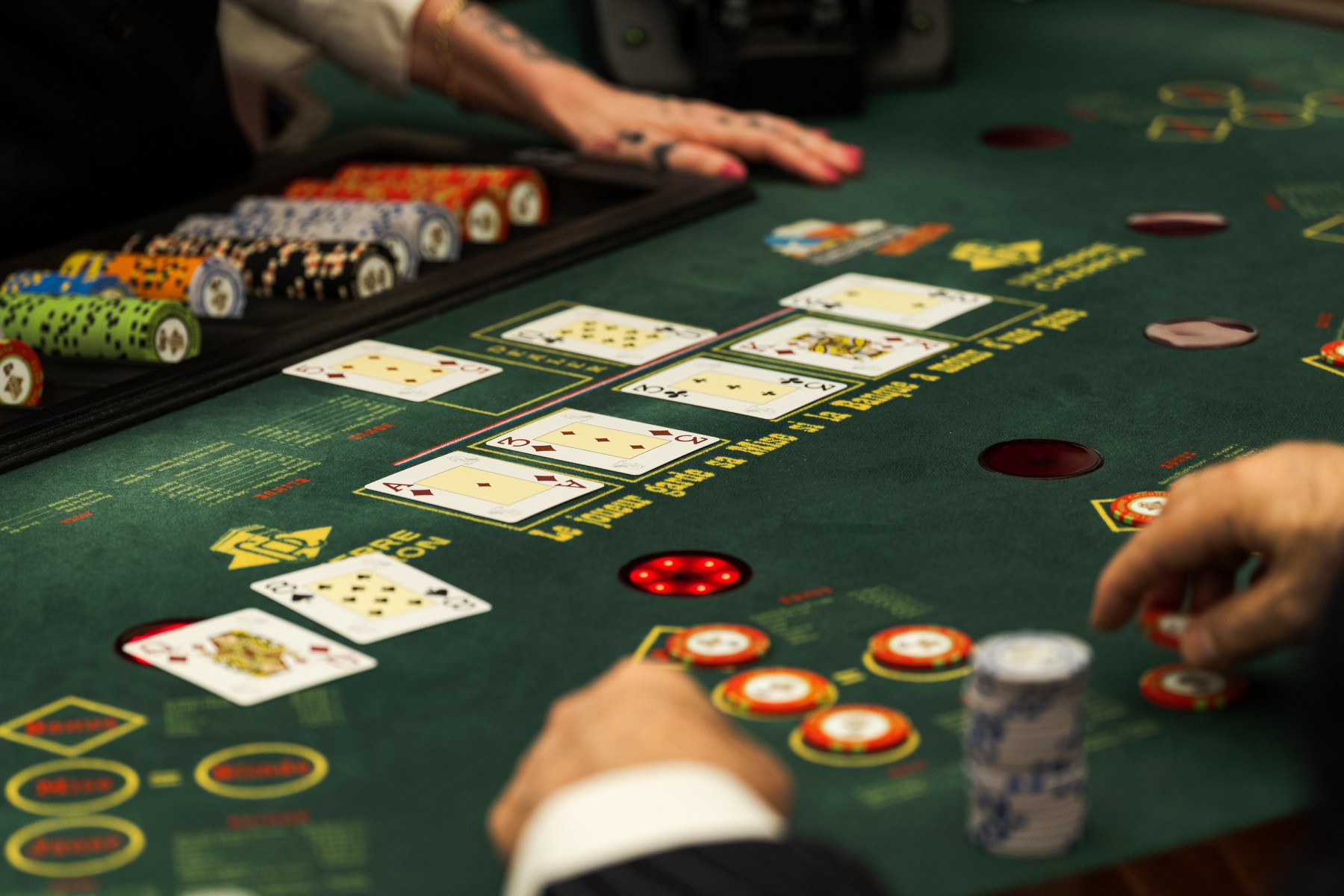
One prevalent myth is the assumption that all casino games are purely based on luck, disregarding the skill component involved in certain games. While it is undeniable that games like slots are predominantly luck-based, others, such as poker and blackjack, require substantial skill and strategy. In these games, knowledgeable players can exploit their understanding of probabilities, psychology, and opponents’ behaviors to increase their chances of winning. This distinction between skill and luck plays a significant role in how players approach their gambling strategies.
For instance, in poker, the ability to read opponents, manage one’s bankroll, and make calculated decisions is vital. This game of skill allows players to win consistently over the long run, making it attractive to those who invest time in learning the intricacies of the game. Conversely, players engaging in games with a strong luck element, like roulette, must understand that their outcomes are largely random and rely on chance rather than skill. Thus, the myth of all games being purely luck-based can lead to inadequate strategies and unrealistic expectations.
Moreover, the distinction between these types of games poses a significant impact on how players perceive their gambling experiences. Acknowledge that skill games can lead to more strategic play and potentially a more rewarding experience, while luck-based games can provide instant gratification but often lack depth. This understanding can elucidate why some players consistently excel while others do not, fostering a better grasp of gambling’s multifaceted nature. Ultimately, the combination of skill and chance contributes to the thrill of casino gaming.
The Social Stigma Around Gambling
Gambling has faced significant societal stigma, often painted as a vice or a harmful addiction. While it is true that some individuals develop problematic gambling behaviors, the majority of casino patrons gamble recreationally and responsibly. Understanding this distinction is vital in dispelling the negative myths surrounding casino gaming. Rather than viewing gambling solely as a destructive habit, recognizing it as a form of entertainment can shift perceptions and encourage healthier interactions with the activity.

Many casinos are now emphasizing responsible gaming practices, integrating support systems and resources for players. These initiatives not only foster safer gambling environments but also educate patrons about managing their gaming habits effectively. By encouraging self-awareness and promoting moderation, the casino industry is gradually reshaping the narrative around gambling. This conscious approach can mitigate the stigma associated with it, highlighting that many enjoy the casino experience without dire consequences.
Furthermore, the social aspect of casinos contributes to their appeal, as many people enjoy gambling as a leisurely activity shared with friends and family. Celebrating wins together, enjoying the atmosphere, and creating lasting memories are integral parts of the casino experience. Acknowledging this communal aspect can help dismantle the negative stereotypes tied to gambling, leading to a more balanced view that recognizes both its potential risks and the joy it can bring to many individuals.
Understanding Casino Resources and Responsible Gaming
For those seeking to explore gambling in casinos, it is crucial to engage with reputable resources available online and on-site. Awareness of responsible gambling practices can significantly enhance the experience while minimizing potential risks. Casinos often provide information on setting limits, understanding odds, and recognizing the signs of problem gambling. This education enables players to approach their gaming with a balanced mindset, ensuring that gambling remains a form of entertainment rather than a source of stress.
Many platforms focus on promoting responsible gaming, providing tools and resources to help players make informed decisions. These websites offer tutorials on different games, strategies, and the importance of bankroll management, allowing individuals to enter the casino with a clear plan. By utilizing these resources, players can enhance their knowledge, which plays a fundamental role in their overall experience and enjoyment at the casino.
As the perception of gambling continues to evolve, embracing this newfound understanding fosters a healthier relationship with gaming. Engaging with supporting materials and being mindful of one’s limits can transform the casino journey into a positive and enjoyable experience. Ultimately, informed players are more likely to appreciate all aspects of the casino environment, finding balance between excitement and responsibility in their gaming endeavors.